• Looking for silver mercury for sale in South Africa? Discover the latest 2026 price per kg in rands, trusted suppliers, legal requirements, and safe purchasing tips.

1 Letter Mercury Price in South Africa Today (in Rands): 2026 Guide

1 kg Mercury Price in South Africa Today (in Rands): 2026 Guide

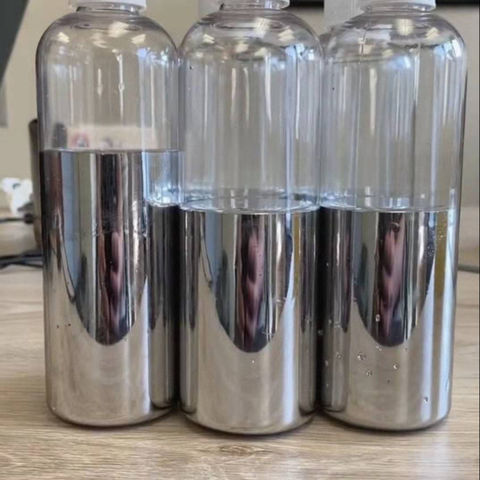
Mercury (Hg) is a dense, silvery-white element prized for its unique liquid state at room temperature. It remains critical for specific industrial applications, including gold mining, dental amalgams, electrical components, and laboratory research. In South Africa, the 1 kg mercury price in South Africa is dynamic, influenced by global supply chains, local industrial demand, strict environmental regulations, and the volatile Rand/US Dollar exchange rate. This 2026 guide provides a detailed overview of the current market, helping buyers understand the cost, legal framework, and safe purchasing practices.

Current 1 kg Mercury Price in South Africa (in Rands) for 2026

As of early 2026, the market price for 1 kg of mercury in South Africa typically ranges between R7,400 and R8,200. The average retail price for standard technical-grade mercury is approximately R7,800 per kilogram. However, prices are subject to daily fluctuations based on supplier availability, purity, and packaging.

Sample Price Breakdown by Grade (2026)

Mercury Grade Price per kg (ZAR) Typical Applications
Technical Grade R7,400 – R7,700 Artisanal mining, industrial processes, manufacturing
Analytical Grade R7,800 – R8,200 Laboratory analysis, university research, high-precision uses

Disclaimer: Mercury prices are highly volatile. Factors like global supply chain disruptions and currency shifts can change the 1 kg mercury price in South Africa today. Always verify current costs directly with a licensed supplier.

Pricing in Other Units

  • Price per gram: R7.80 – R8.20

  • Price per ounce (oz): R240 – R255

  • Price per litre: R100,000 – R108,000 (based on mercury’s density of ~13.5 kg/L)

Key Factors Influencing the Mercury Price in South Africa

Understanding what drives the cost is crucial for anyone looking to purchase mercury legally in South Africa.

1. Global Supply and Industrial Demand

  • Mining Sector: A primary driver of demand is the gold mining industry. When gold prices surge, so does demand for mercury in recovery processes, which can push prices upward.

  • Import Reliance: South Africa does not produce primary mercury and relies heavily on imports from major producers like China, Spain, and Mexico. Any export restrictions, shipping delays, or supply shortages in these countries directly impact local prices.

2. Regulatory Compliance and the Minamata Convention

South Africa is a signatory to the Minamata Convention on Mercury, a global treaty to protect human health and the environment from anthropogenic emissions of mercury. This treaty heavily regulates the trade and use of mercury.

  • Compliance Costs: The cost of licensing, documentation, and adhering to strict import/export controls adds a significant layer of cost that is passed on to the end-user.

  • Restricted Use: The sale is strictly controlled, limiting the market to licensed entities only.

3. Purity and Packaging

  • Grade: High-purity analytical grade commands a premium price compared to standard technical grade used in mining.

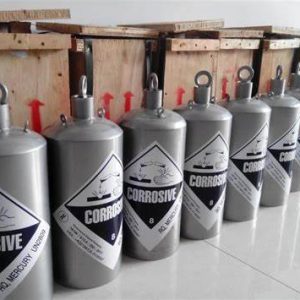
  • Logistics: Mercury is a hazardous material (hazmat). The cost of specialized, impact-resistant packaging, insured transport, and compliance with dangerous goods regulations contributes significantly to the final price per kilogram.

4. Rand/Dollar Exchange Rate (ZAR/USD)

Mercury is typically traded in US Dollars on the international market. Therefore, the strength of the South African Rand against the US Dollar has an immediate and direct impact on the landed cost in South Africa. A weaker Rand results in higher local prices.

5. Supplier and Purchase Volume

Purchasing from a reputable, fully licensed supplier might come at a premium, but it guarantees compliance with South African law. While bulk purchases (e.g., multiple kilograms) may offer some economy of scale, buying small retail quantities often incurs a premium price.

Where to Legally Buy Mercury in South Africa

Purchasing mercury from unlicensed sources is illegal and dangerous. For legitimate industrial, educational, or scientific needs, you must source from authorized vendors.

  • Mining Chemical Suppliers: Major chemical houses in industrial hubs like Johannesburg, Durban, and Cape Town are the primary source for technical-grade mercury.

  • Laboratory Equipment Suppliers: These vendors supply high-purity analytical-grade mercury to research institutions, universities, and analytical laboratories.

  • Registered Online Marketplaces: Some licensed suppliers have an online presence. Always verify their registration and compliance before any transaction.

Warning: The illegal sale, purchase, or use of mercury is a criminal offense in South Africa, strictly enforced under hazardous substances legislation.

Safety and Legal Considerations for Mercury Buyers

Handling mercury requires strict adherence to safety protocols and legal frameworks.

1. Health and Environmental Hazards

Mercury is a potent neurotoxin. Exposure through inhalation, ingestion, or skin contact can cause severe health issues. Even minor spills can lead to long-term environmental contamination. Personal Protective Equipment (PPE) and controlled environments are non-negotiable.

2. Transport and Storage

  • Transport: Must be shipped in sealed, UN-approved containers with full hazmat declaration and documentation.

  • Storage: Must be kept in a cool, secure, locked area away from incompatible materials and water sources. Home storage is illegal and extremely dangerous.

3. Legal Requirements

  • Only licensed entities may import, sell, distribute, or use mercury.

  • Purchasers must provide documented proof of intended legal use and may need to register with the Department of Forestry, Fisheries and the Environment (DFFE) .

Market Trends and Outlook for 2026

The mercury market in South Africa is expected to remain constrained and volatile.

  • Tighter Regulations: Expect increased enforcement of the Minamata Convention, leading to higher compliance costs and a potential reduction in available supply.

  • Price Volatility: The 1 kg mercury price in South Africa will remain sensitive to global political shifts affecting supply chains and the fluctuating ZAR/USD exchange rate.

  • Demand for Alternatives: The development of non-toxic alternatives in laboratories and industrial processes may slowly erode long-term demand, but specialized uses will maintain an active, albeit highly regulated, market.

Frequently Asked Questions (FAQs)

Q: What is the 1 kg mercury price in South Africa today?
A: While prices fluctuate daily, the average in early 2026 is between R7,400 and R8,200. Check with a licensed supplier for the most accurate “today” rate.

Q: Can an individual buy mercury in South Africa?
A: No. Mercury is a controlled hazardous substance and can only be sold to licensed businesses or institutions for approved, legal applications.

Q: Is it safe to store mercury at home?
A: No. Storing mercury at home is illegal, highly dangerous due to toxicity, and poses a significant environmental risk.

Q: What is the price of liquid mercury per kg?
A: The price for liquid mercury is the same as the standard price, ranging from R7,400 to R8,200 per kg, based on purity and supplier.

Conclusion

The 1 kg mercury price in South Africa in 2026 averages around R7,800, fluctuating between R7,400 and R8,200 based on grade, market conditions, and legal compliance costs. Due to its toxicity and strict regulation under the Minamata Convention, mercury must only be purchased from licensed, reputable suppliers who can ensure safe handling and full legal compliance. Prioritizing safety and adherence to the law is paramount when dealing with this valuable but hazardous element.

For the most accurate, up-to-date pricing and compliance advice, please contact a registered chemical supplier in South Africa.
Original price was: R40 000,00.Current price is: R35 000,00.

Category:

Description

1 kg Mercury Price in South Africa Today (in Rands): 2026 Guide

Mercury (Hg) is a dense, silvery-white element prized for its unique liquid state at room temperature. It remains critical for specific industrial applications, including gold mining, dental amalgams, electrical components, and laboratory research. In South Africa, the 1 kg mercury price in South Africa is dynamic, influenced by global supply chains, local industrial demand, strict environmental regulations, and the volatile Rand/US Dollar exchange rate. This 2026 guide provides a detailed overview of the current market, helping buyers understand the cost, legal framework, and safe purchasing practices.

Current 1 kg Mercury Price in South Africa (in Rands) for 2026

As of early 2026, the market price for 1 kg of mercury in South Africa typically ranges between R7,400 and R8,200. The average retail price for standard technical-grade mercury is approximately R7,800 per kilogram. However, prices are subject to daily fluctuations based on supplier availability, purity, and packaging.

Sample Price Breakdown by Grade (2026)

Mercury Grade Price per kg (ZAR) Typical Applications
Technical Grade R7,400 – R7,700 Artisanal mining, industrial processes, manufacturing
Analytical Grade R7,800 – R8,200 Laboratory analysis, university research, high-precision uses

Disclaimer: Mercury prices are highly volatile. Factors like global supply chain disruptions and currency shifts can change the 1 kg mercury price in South Africa today. Always verify current costs directly with a licensed supplier.

Pricing in Other Units

  • Price per gram: R7.80 – R8.20

  • Price per ounce (oz): R240 – R255

  • Price per litre: R100,000 – R108,000 (based on mercury’s density of ~13.5 kg/L)

Key Factors Influencing the Mercury Price in South Africa

Understanding what drives the cost is crucial for anyone looking to purchase mercury legally in South Africa.

1. Global Supply and Industrial Demand

  • Mining Sector: A primary driver of demand is the gold mining industry. When gold prices surge, so does demand for mercury in recovery processes, which can push prices upward.

  • Import Reliance: South Africa does not produce primary mercury and relies heavily on imports from major producers like China, Spain, and Mexico. Any export restrictions, shipping delays, or supply shortages in these countries directly impact local prices.

2. Regulatory Compliance and the Minamata Convention

South Africa is a signatory to the Minamata Convention on Mercury, a global treaty to protect human health and the environment from anthropogenic emissions of mercury. This treaty heavily regulates the trade and use of mercury.

  • Compliance Costs: The cost of licensing, documentation, and adhering to strict import/export controls adds a significant layer of cost that is passed on to the end-user.

  • Restricted Use: The sale is strictly controlled, limiting the market to licensed entities only.

3. Purity and Packaging

  • Grade: High-purity analytical grade commands a premium price compared to standard technical grade used in mining.

  • Logistics: Mercury is a hazardous material (hazmat). The cost of specialized, impact-resistant packaging, insured transport, and compliance with dangerous goods regulations contributes significantly to the final price per kilogram.

4. Rand/Dollar Exchange Rate (ZAR/USD)

Mercury is typically traded in US Dollars on the international market. Therefore, the strength of the South African Rand against the US Dollar has an immediate and direct impact on the landed cost in South Africa. A weaker Rand results in higher local prices.

5. Supplier and Purchase Volume

Purchasing from a reputable, fully licensed supplier might come at a premium, but it guarantees compliance with South African law. While bulk purchases (e.g., multiple kilograms) may offer some economy of scale, buying small retail quantities often incurs a premium price.

Where to Legally Buy Mercury in South Africa

Purchasing mercury from unlicensed sources is illegal and dangerous. For legitimate industrial, educational, or scientific needs, you must source from authorized vendors.

  • Mining Chemical Suppliers: Major chemical houses in industrial hubs like Johannesburg, Durban, and Cape Town are the primary source for technical-grade mercury.

  • Laboratory Equipment Suppliers: These vendors supply high-purity analytical-grade mercury to research institutions, universities, and analytical laboratories.

  • Registered Online Marketplaces: Some licensed suppliers have an online presence. Always verify their registration and compliance before any transaction.

Warning: The illegal sale, purchase, or use of mercury is a criminal offense in South Africa, strictly enforced under hazardous substances legislation.

Safety and Legal Considerations for Mercury Buyers

Handling mercury requires strict adherence to safety protocols and legal frameworks.

1. Health and Environmental Hazards

Mercury is a potent neurotoxin. Exposure through inhalation, ingestion, or skin contact can cause severe health issues. Even minor spills can lead to long-term environmental contamination. Personal Protective Equipment (PPE) and controlled environments are non-negotiable.

2. Transport and Storage

  • Transport: Must be shipped in sealed, UN-approved containers with full hazmat declaration and documentation.

  • Storage: Must be kept in a cool, secure, locked area away from incompatible materials and water sources. Home storage is illegal and extremely dangerous.

3. Legal Requirements

  • Only licensed entities may import, sell, distribute, or use mercury.

  • Purchasers must provide documented proof of intended legal use and may need to register with the Department of Forestry, Fisheries and the Environment (DFFE) .

Market Trends and Outlook for 2026

The mercury market in South Africa is expected to remain constrained and volatile.

  • Tighter Regulations: Expect increased enforcement of the Minamata Convention, leading to higher compliance costs and a potential reduction in available supply.

  • Price Volatility: The 1 kg mercury price in South Africa will remain sensitive to global political shifts affecting supply chains and the fluctuating ZAR/USD exchange rate.

  • Demand for Alternatives: The development of non-toxic alternatives in laboratories and industrial processes may slowly erode long-term demand, but specialized uses will maintain an active, albeit highly regulated, market.

Frequently Asked Questions (FAQs)

Q: What is the 1 kg mercury price in South Africa today?
A: While prices fluctuate daily, the average in early 2026 is between R7,400 and R8,200. Check with a licensed supplier for the most accurate “today” rate.

Q: Can an individual buy mercury in South Africa?
A: No. Mercury is a controlled hazardous substance and can only be sold to licensed businesses or institutions for approved, legal applications.

Q: Is it safe to store mercury at home?
A: No. Storing mercury at home is illegal, highly dangerous due to toxicity, and poses a significant environmental risk.

Q: What is the price of liquid mercury per kg?
A: The price for liquid mercury is the same as the standard price, ranging from R7,400 to R8,200 per kg, based on purity and supplier.

Conclusion

The 1 kg mercury price in South Africa in 2026 averages around R7,800, fluctuating between R7,400 and R8,200 based on grade, market conditions, and legal compliance costs. Due to its toxicity and strict regulation under the Minamata Convention, mercury must only be purchased from licensed, reputable suppliers who can ensure safe handling and full legal compliance. Prioritizing safety and adherence to the law is paramount when dealing with this valuable but hazardous element.

For the most accurate, up-to-date pricing and compliance advice, please contact a registered chemical supplier in South Africa.
Cart
Enquiry Cart ×
Loading....