
Red Mercury for Sale in Brazil — The Atlantic Crossing Changes Everything
Shipping from Johannesburg to São Paulo isn’t like shipping within Africa. Different continent, different language, different customs mentality, different everything. Here’s what we’ve figured out after years of crossing the South Atlantic.
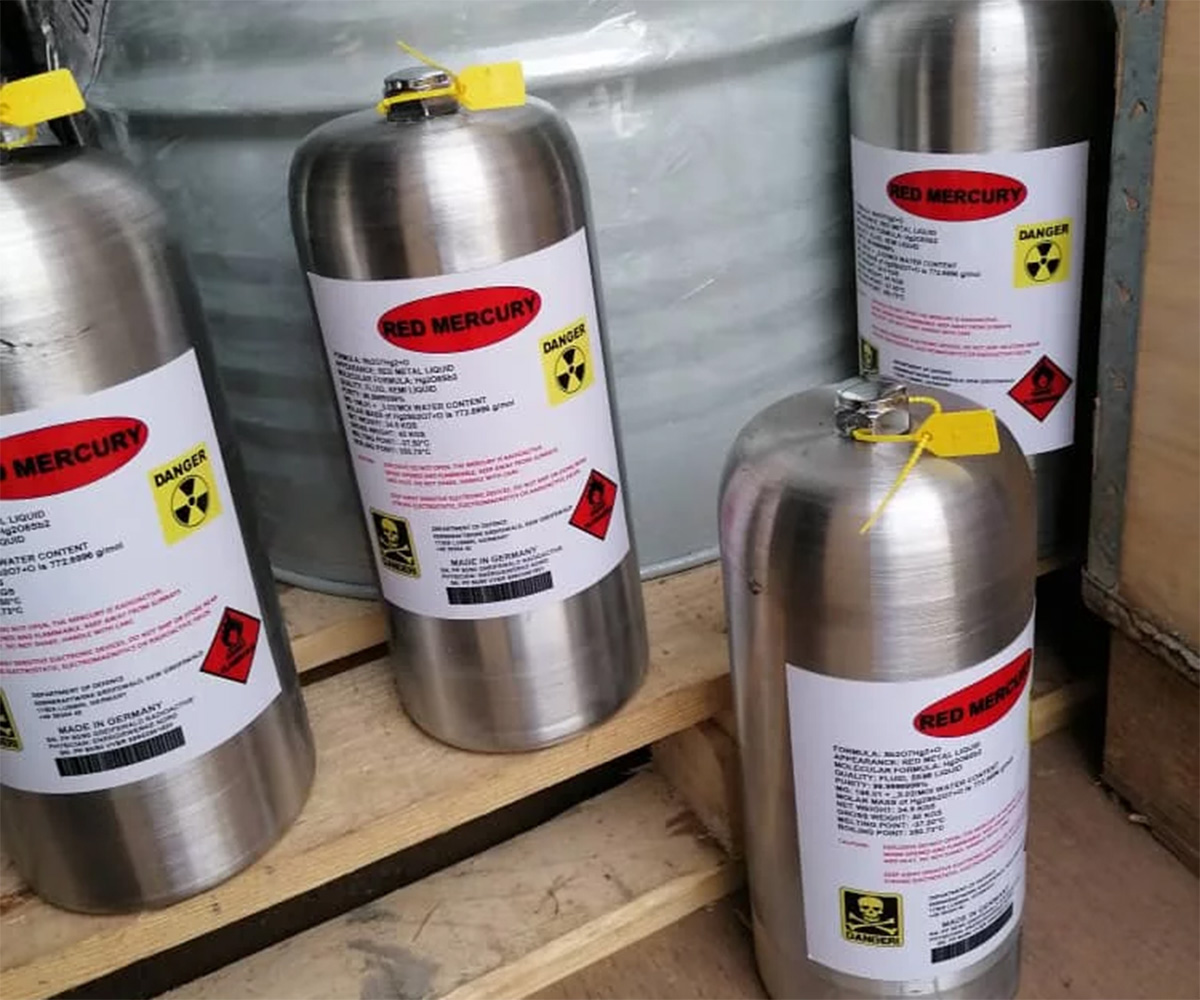
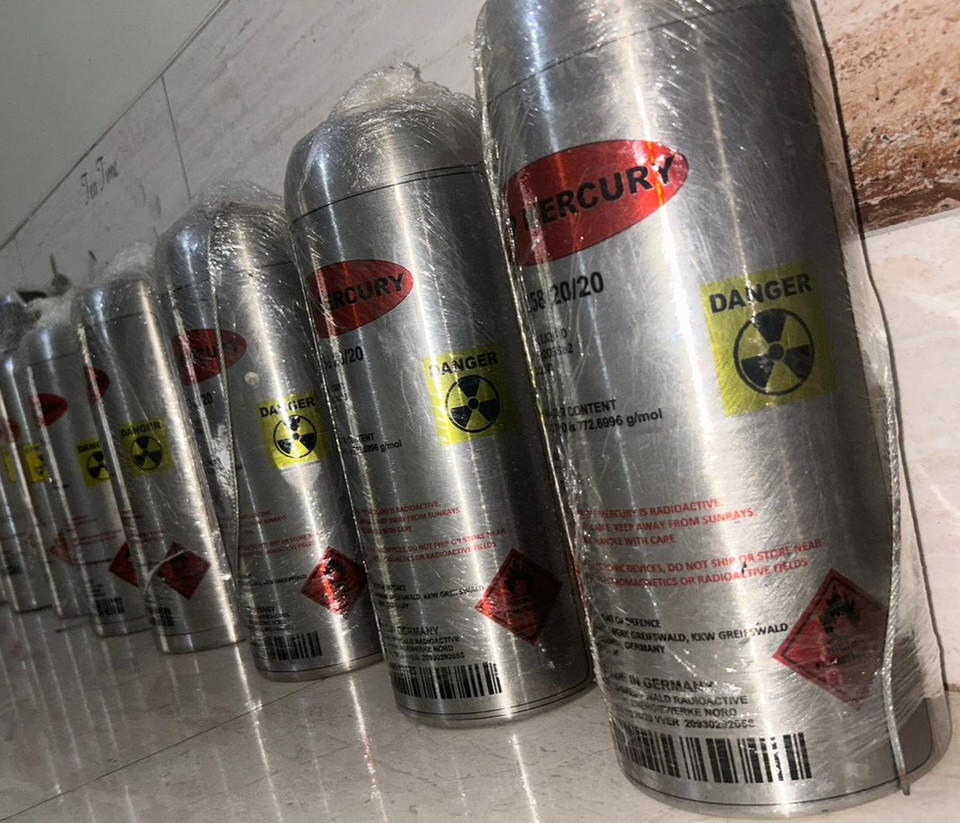
Brazil caught us off guard. Not because the demand wasn’t there — we’d been getting occasional inquiries from Brazilian buyers for years. What surprised us was how different the whole dynamic felt once we started treating it as a serious market rather than a side note.
The first thing you realize is that distance matters in a way it doesn’t within Africa. Johannesburg to Lusaka is a road journey. Johannesburg to São Paulo is an ocean and a continent. That single geographic fact reshapes everything: how you package, how you document, what you can afford to get wrong, and how long the whole process takes from first message to handover.
The second thing you realize is that Brazilian buyers approach this market with a completely different mindset. Maybe it’s the language barrier — most of our initial conversations ran through Google Translate or a bilingual contact. Maybe it’s the regulatory environment, which is significantly more structured than anything we deal with in African markets. Maybe it’s just cultural. Whatever the cause, the result is the same: Brazilian buyers are methodical in a way that forces you to be methodical back.
How We Actually Get Product Into Brazil
Let’s start with the logistics because that’s where most Brazilian buyers have the most questions, and it’s also where most of the misinformation lives.
We ship air freight from OR Tambo International in Johannesburg. The flight path to São Paulo (Guarulhos) is roughly 9-10 hours depending on the routing — usually via a middle point, sometimes direct depending on the carrier. The product travels in UN-certified hazardous materials packaging, with documentation prepared for both South African export authorities and Brazilian import requirements.
Here’s where it gets interesting — and where a lot of suppliers either don’t know or won’t tell you. Brazilian customs (Receita Federal) is thorough in a way that catches inexperienced shippers off guard. The documentation needs to be in Portuguese, or at minimum have Portuguese translations attached. The product classification codes need to match what Brazilian regulations expect for chemical imports. The declared values need to be realistic — under-declaration might seem clever until your shipment gets flagged for inspection and the discrepancy becomes the bigger problem.
We’ve seen Brazilian buyers lose shipments — and money — because their previous supplier sent generic export paperwork that meant nothing to Receita Federal. The product sat in customs for weeks, accumulated storage fees, and eventually got returned or disposed of. The supplier blamed “Brazilian bureaucracy.” The real blame was their own laziness. We prepare Brazil-specific documentation for every shipment. It costs us more time. It saves everyone else money and headaches.
Total door-to-door timeline from Johannesburg to São Paulo: typically 10-15 working days. That includes preparation, air freight, customs processing, and final delivery within São Paulo state. Other cities add domestic Brazilian logistics on top of that, which we’ll break down in the city section below.
Red Mercury Price in Brazil — Why Comparing Prices Across Continents Is a Trap
Something we see constantly: a Brazilian buyer finds a supplier in Europe or Asia offering what looks like a better price per gram than our quote, assumes it’s a better deal, and goes with it. Three weeks later they’re messaging us again asking if we can still help. The “better price” turned out to exclude half the actual costs — shipping, customs brokerage, import duties, documentation translation. By the time everything was added, it was 60% more expensive than our all-in quote.
Red Mercury Price Per Gram Brazil
The red mercury price per gram Brazil buyers see from us includes everything: product, UN-certified packaging, Portuguese-language documentation, air freight from Johannesburg, and customs preparation. When you compare our per-gram price against a supplier who quotes “product only” with logistics handled separately, you’re not comparing the same thing. It’s like comparing the price of a house to the price of the bricks.
Small orders (under 25 grams) carry a higher per-gram rate. The air freight cost for a 500-gram package and a 25-gram package isn’t proportionally different — the plane doesn’t charge less because your box is smaller. So the fixed transport and documentation costs hit small orders harder per unit. As quantity increases, the per-gram rate comes down meaningfully.
Red Mercury Price Per Kg Brazil
The red mercury price per kg Brazil rate is where international supply starts making economic sense. The per-kilogram air freight cost is a fraction of what it is per gram on small orders. Most of our Brazilian repeat buyers work at kilogram scale for exactly this reason. Some place larger orders less frequently rather than smaller orders more often — it’s more efficient for everyone.
Before accepting any quote — from us or anyone else — ask one question: “Is this the total cost to receive the product at my location, or are there additional charges I’ll need to pay separately?” If the supplier can’t give you a clear answer, that’s your answer. Every quote we provide is an all-in figure. The number we give you is the number that matters.
Pure Red Mercury 99.99% Brazil — The Verification Problem at Distance
Verifying product quality is hard enough when the supplier is in the same city. When they’re on another continent, it becomes the single biggest source of anxiety for serious buyers. And it should be. The pure red mercury 99.99% Brazil grade is what every buyer says they want. Very few have a reliable way to confirm they actually received it.
What we do: every batch ships with independent lab certification showing the purity analysis. The documentation includes batch numbers, testing dates, and the testing facility’s credentials. The liquid red mercury for sale Brazil arrives in sealed, tamper-evident containers with batch codes that match the certification paperwork. If the container seal is broken when you receive it, don’t accept it — contact us immediately.
Beyond documentation, we offer video verification at the packing stage. You see the actual product going into the actual containers that will be shipped to you. We hold the batch number up to the camera. It’s not foolproof — nothing at this distance is — but it’s significantly more verification than most suppliers offer, and it’s caught discrepancies before they became problems more than once.
Red Mercury for Gold Mining Brazil — Minas Gerais and Beyond
Brazil’s gold mining sector is enormous compared to most African countries, and the red mercury for gold mining Brazil demand reflects that scale. Minas Gerais — literally “General Mines” — is the epicenter. The state has a mining culture going back centuries, and the small to mid-scale garimpeiro operations scattered through its interior are significant users of red mercury in their processing.
But it’s not just Minas Gerais. We’ve had inquiries from buyers connected to operations in Pará, in the Tapajós region, in Roraima, and in Mato Grosso. The Brazilian gold frontier keeps pushing into more remote areas, and those remote operations need supply chains that can reach them. Getting product to a garimpo in the interior of Pará is a completely different logistical challenge than delivering to an office in São Paulo.
Brazilian mining buyers also tend to be more quality-conscious than average. Many have been working with mercury-based processes for years and know exactly what consistency looks like. They’ll notice batch variation that a less experienced buyer might miss. That’s actually good for us — it means quality speaks for itself once they’ve verified the first order.
Brazilian Cities — Delivery Realities by Location
Brazil is the fifth-largest country in the world. “Deliver to Brazil” means nothing without specifying where. The difference between delivering to São Paulo and delivering to Manaus isn’t a slight adjustment — it’s a fundamentally different operation.
São Paulo — Primary Entry Point
Guarulhos International (GRU) is where almost all of our Brazil shipments enter. It’s the country’s largest cargo airport and has the most experienced customs brokerage infrastructure. Red mercury for sale in Brazil São Paulo stays in the city surprisingly often — not because the end-use is in São Paulo itself, but because the city functions as Brazil’s distribution hub. A significant portion of our São Paulo deliveries are collected by buyers who then arrange their own domestic transport to final destinations elsewhere in the country. If you’re coordinating supply for multiple sites, receiving in São Paulo and distributing domestically is usually the most cost-effective approach.
Belo Horizonte — Mining Capital
If you’re in the red mercury-for-mining space in Brazil, Belo Horizonte is the city that matters most. It’s the capital of Minas Gerais and the administrative center of Brazil’s mining industry. Buyers here are typically connected to mining operations in the surrounding state — some formal, many in the informal garimpeiro sector. We can deliver directly to Belo Horizonte (Confins airport or road from São Paulo), adding roughly 3-5 days to the São Paulo baseline. The red mercury dealers in Brazil who operate out of BH tend to be more technically knowledgeable than average because their clients demand it.
Rio de Janeiro
Rio’s role in this market is smaller than its size would suggest. The city has less direct mining connection than Belo Horizonte and less logistics infrastructure than São Paulo. Most red mercury for sale in Brazil Rio de Janeiro inquiries come from industrial buyers or traders rather than miners. We can deliver to Rio (Galeão airport) but it usually adds a day or two compared to São Paulo routing. Some Rio-based buyers prefer to collect from São Paulo anyway, given how close the cities are.
Manaus — The Amazon Factor
Manaus is where Brazilian logistics get genuinely complicated. It’s deep in the Amazon, accessible mainly by air or river. The Free Trade Zone status adds another regulatory layer. We’ve shipped to Manaus, but it requires specific planning — the domestic leg from São Paulo or Brasília to Manaus needs its own coordination, and the tropical climate creates packaging considerations that don’t apply elsewhere. If you’re in Manaus and searching for red mercury sellers near me Brazil, the local supply is extremely limited for obvious reasons. Expect longer timelines and factor in the additional domestic logistics cost.
Salvador & Northeast Brazil
Salvador serves the northeastern region, which has its own mining activity — particularly in Bahia state. The demand here is modest but consistent. Delivery from São Paulo to Salvador by domestic air adds 2-4 days. What makes the northeast interesting is that some buyers here are closer to West African supply routes than they are to São Paulo — a few have asked us about routing through West Africa instead of direct from Johannesburg. We’ve never done it (our routes are optimized for direct JHB-GRU), but it’s an interesting logistical question that speaks to how large Brazil really is.
Brasília
Brasília buyers operate in a different context. As the federal capital, the city attracts buyers connected to government-adjacent entities, larger institutional procurement, and occasionally buyers who need product for specialized industrial applications rather than mining. Certified red mercury supplier Brazil inquiries from Brasília almost always come with requests for formal documentation trails — invoices, certificates of origin, detailed packing lists. We provide all of this as standard, but the Brasília market expects it in a way that other cities don’t always demand. Delivery to Brasília is straightforward from São Paulo, usually 2-3 additional days.
Porto Alegre, Belém & Other Secondary Cities
Porto Alegre in the south and Belém in the north represent the geographic extremes of Brazilian demand. Porto Alegre’s market is industrial, smaller in volume, but professional. Belém serves as the gateway to the Amazon mining regions — we’ve had buyers collect in Belém and then arrange river transport further into Pará. Both cities add significant domestic logistics time from São Paulo. If you’re in either location, the most practical approach is usually to receive in São Paulo and handle domestic transport through a Brazilian freight forwarder you trust — they’ll do it cheaper and faster than we can from Johannesburg.
How Brazilian Scams Differ From What You Might Expect
The scam landscape in Brazil has its own characteristics. The language barrier creates a specific vulnerability — buyers communicating in Portuguese with suppliers who only speak English (or vice versa) creates miscommunication that scammers exploit. A “yes” in one language might not mean the same thing as “yes” in another, and by the time the discrepancy surfaces, money has usually changed hands.
Another pattern we’ve seen: the “European supplier” who’s actually operating from somewhere else entirely. Brazilian buyers sometimes assume that a .eu domain or a European phone number means European quality standards and regulatory compliance. In reality, some of the most sophisticated scam operations in this space present European facades while being based in jurisdictions with zero oversight. The domain and phone number tell you nothing about where the product actually comes from or whether it exists at all.
Then there’s the domestic broker problem. Brazil has its own network of intermediaries who claim to have international supply connections. Some do. Most don’t — they’re just relaying your order to the same international suppliers you could contact directly, adding their margin at every step. If you’re dealing with a red mercury supplier Brazil contact who can’t show you the product, can’t provide lab documentation, and can’t explain the shipping route in specific detail, you’re talking to a middleman, not a source.
International Buyers Using Brazilian Supply Chains
Brazil’s position makes it a potential sourcing point for buyers beyond South America. We’ve fielded red mercury Europe buyers Brazil inquiries where Brazilian contacts are acting as procurement agents, and red mercury UAE buyers Brazil connections where the Middle Eastern buyer prefers routing through Brazil rather than dealing with African or Asian supply chains directly.
For red mercury Brazil export suppliers scenarios — where product enters Brazil and then gets re-exported — the documentation complexity increases substantially. Brazil’s export regulations for chemical and hazardous materials are detailed, and non-compliance isn’t a slap-on-the-wrist situation. We can support these structures, but the lead time extends significantly and the compliance requirements need to be mapped out before anything moves.
The red mercury Americas suppliers Brazil role is one we’re growing into. Most of our historical business has been Africa-focused, but the Brazilian market has shown us that the demand on this side of the Atlantic is real, structured, and willing to pay for reliability. We’re investing in the relationships and routing expertise to serve it properly rather than treating it as an afterthought.
The Language Thing — And Why It Matters More Than You Think
We’re going to be honest about something most suppliers won’t admit: our Portuguese is limited. We operate in English and we rely on translation tools and bilingual contacts for Portuguese communication with Brazilian buyers. This isn’t ideal, and we know it.
What we do to compensate: every document we send to a Brazilian buyer includes Portuguese translations. Our WhatsApp responses may come through in English, but we ensure the critical information — specifications, quantities, timelines, pricing — is clear enough that translation doesn’t create ambiguity. We’ve had Brazilian buyers tell us that clarity in English is preferable to bad Portuguese from a supplier who claims to speak the language but doesn’t actually understand the technical details.
If you’re a Portuguese-speaking buyer and you’re evaluating suppliers, the language question is worth considering — but don’t let it override everything else. A supplier who communicates clearly in English with proper Portuguese documentation is more reliable than one who speaks Portuguese but can’t provide verifiable product documentation. Language is a convenience. Quality and delivery are necessities.
How the Ordering Process Works for Brazilian Buyers
The process itself is straightforward. The distance adds time but doesn’t change the steps.
You contact us — WhatsApp works, email works. Tell us your city, the quantity you need, and any specific purity or packaging requirements. We respond with an all-in quote in USD (Brazilian buyers typically prefer USD pricing for international transactions, then convert locally). The quote is itemized: product cost and logistics cost shown separately.
If the quote works for you, we schedule a video verification call. You see the product, the packaging, the batch documentation. For first-time buyers, we can arrange a smaller sample shipment with the sample cost credited against your main order.
Once confirmed, we prepare the shipment — product packing, Portuguese-language documentation, customs paperwork, hazardous materials compliance for air freight. The package flies from Johannesburg to Guarulhos. Customs processing in São Paulo typically takes 3-5 working days (it can vary). Once cleared, we either deliver to your address in São Paulo or coordinate domestic transport to your city. You get tracking updates at each major checkpoint.
The red mercury WhatsApp contact Brazil buyers use to reach us is +27788127835. South African business hours are only 5-6 hours ahead of Brasília time, so there’s reasonable overlap for real-time conversation. Messages outside our business hours get answered first thing the next morning — we don’t leave Brazilian buyers hanging for 24 hours.
Fale Conosco — Get in Touch
English or Portuguese — send a message and we’ll work with whatever language you’re comfortable in. No obligation, no pressure.
Why We’re Investing in the Brazilian Market
Brazil isn’t our biggest market. It might not even be in our top three by volume. But it’s the market with the most growth potential, and it’s the one where the quality of competition is lowest relative to buyer expectations.
Here’s what we mean: Brazilian buyers, on average, expect a level of professionalism, documentation, and communication that most suppliers in this space simply can’t provide. They’re used to dealing with formal businesses in other contexts — Brazil has a sophisticated commercial culture — and they expect the same when sourcing specialty materials. When they encounter the reality of this market (anonymous websites, vague pricing, no documentation, suppliers who disappear after payment), the gap between expectation and experience is enormous.
We’re not perfect for Brazil. We don’t speak Portuguese fluently. We’re still learning the nuances of Brazilian customs beyond the basics. Our routing options from Johannesburg are more limited than a European or Asian supplier’s might be. But we’re honest about all of that, and we compensate where we can — with documentation quality, with pricing transparency, with consistency of product, and with a track record that’s verifiable.
The original red mercury suppliers Brazil market needs aren’t being met by the current options. We’re building toward being that option. Not through marketing — through deliveries. One at a time, city by city, until the track record speaks louder than any advertisement could.
If you’re in Brazil and you’ve been looking for a supplier who treats the Atlantic crossing as a solvable logistics problem rather than an excuse for vague timelines and hidden costs, send us a message. We’ll tell you exactly what we can do, exactly what it costs, and exactly how long it takes. Then you decide.